
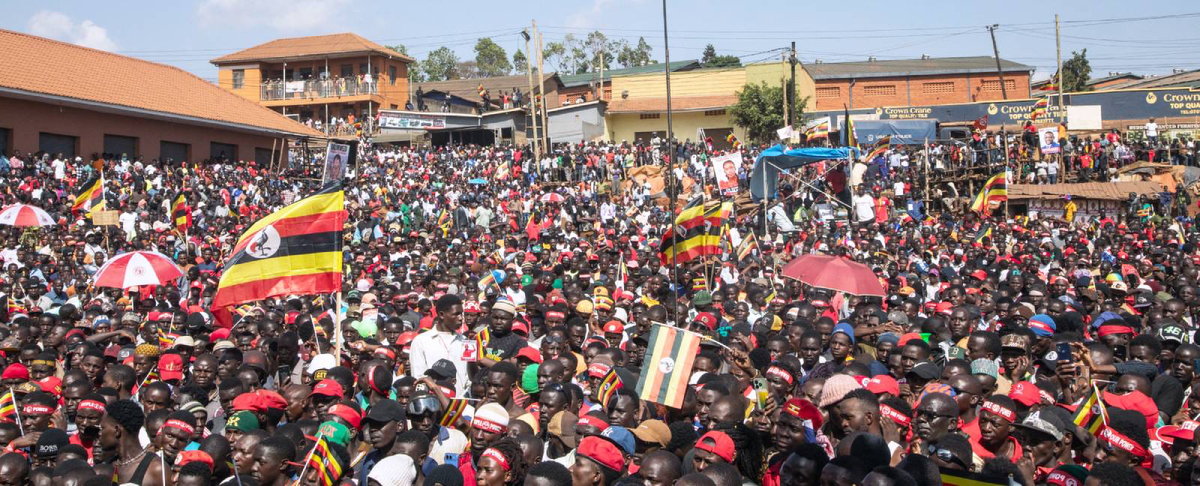
As Ugandans went to the polls on 15 January 2026, the country stood at a historic crossroads, balancing four decades of continuous leadership against increasing demands for democratic openness, accountability, and peace. The recently concluded general elections, which included both presidential and parliamentary contests, have since attracted intense national, regional, and international attention. The elections re-elected 81-year-old President Yoweri Museveni with 71.65% of the vote from around 21 million voters, extending his rule to forty years. Uganda’s population is approximately 51 million, including an estimated 5,000 Quakers. While many citizens participated peacefully in the voting process, the wider electoral environment showed both promising signs and significant challenges.
On the positive side, Ugandans exercised their constitutional right to vote nationwide, and freedom of worship remained protected throughout the election period. Religious institutions, including the Uganda Friends Church, openly mobilised communities for prayer and peacebuilding. Faith leaders consistently urged calm before, during, and after the elections, reinforcing the role of religious communities in promoting national stability and nonviolence. At the same time, the election period revealed deep democratic concerns. Government authorities subjected opposition leaders to ongoing repression during the campaign, on election day, and after the announcement of results. Security agencies arrested opposition figures, restricted their movements, and disrupted campaign activities. The leading opposition candidate faced particularly severe suppression, raising widespread concern about the fairness of the political process. These actions received strong criticism from local civil society and the international community.
The government’s decision to implement a nationwide internet shutdown further increased tension. The blackout disrupted communication, limited access to independent information, and hampered effective election monitoring. Many citizens found it difficult to follow events as they unfolded, leading to fear and uncertainty. Observers noted that the shutdown followed a pattern seen during Uganda’s 2021 elections and reflected a growing regional trend of restricting digital space during disputed polls. Within Quaker communities, the forty-year presidency continues to generate mixed reactions. While some recognise periods of stability under President Museveni’s leadership, many express concern about prolonged rule, advanced age, and the lack of a clearly defined transition of power. Public anxiety continues to grow over Uganda’s future, especially fears of instability once leadership eventually changes.
Quakers across the country are therefore praying for Uganda’s peace, with particular concern for a peaceful and orderly transfer of power whenever President Museveni leaves office, whether by personal choice or due to natural circumstances. Many citizens fear that unresolved succession issues could lead to unrest if not addressed through dialogue, justice, and inclusive governance. These concerns extend beyond Uganda’s borders. In neighbouring Tanzania, last year’s elections also witnessed repression and violence, resulting in loss of lives. Together, these experiences point to a troubling trend in East Africa, where electoral processes increasingly threaten the democratic gains built over many years.
As the region considers its future, attention is shifting to Kenya’s general elections scheduled for 2027. For Quakers, the lessons from Uganda and Tanzania highlight the importance of early preparation. Quaker churches across East Africa are encouraged to improve civic education, support election observation, mobilise peace teams, and create spaces for dialogue within communities. Guided by the Quaker peace testimony, rooted in nonviolence, equality, truth, and justice, Friends believe that peace must be actively nurtured long before ballots are cast. The recent elections in Uganda serve as a sober reminder that democratic integrity and peaceful transitions require vigilance, prayer, and courageous engagement to ensure a stable future for East Africa.
~By Alfred Wasike
Uganda Yearly Meeting