
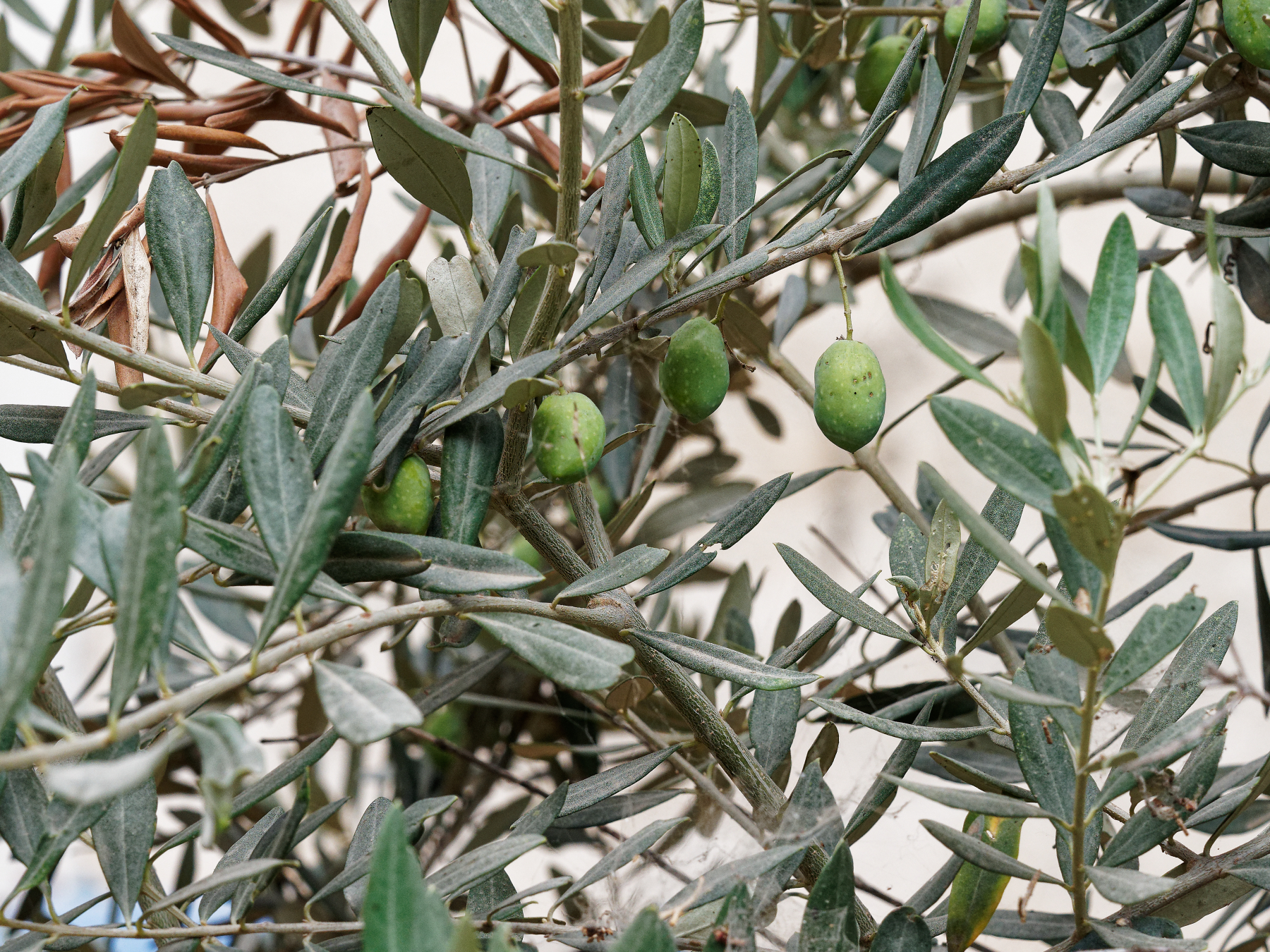
Axl Rose, Hoosier-born frontman for the ‘80s rock group Guns ‘n Roses, had a Top 10 hit in 1989 with the song “Patience.” Rose was born in Indiana because his father taught at Purdue University, located thirty-five miles from the farm where I grew up near Russiaville, Indiana. A noted agriculture school, Purdue’s School of Agriculture faculty were looked to by farmers for good advice about crop management, including when the best time would be for planting and harvesting. They always advised patience in waiting for the right soil and weather conditions. That was very important in the Midwest’s five to six month growing season.
But now I live in North Carolina, where the growing season can stretch beyond seven months. Here, I start growing impatient to get in the garden by late January, and I sometimes pay the price of getting seed in the ground too early when the inevitable polar vortex descends in early spring. I need to learn a bit more patience. Axl Rose sang, “All we need is just a little patience,” but the Apostle Paul offered up even better advice when he wrote in Romans 12:12, “Rejoice in hope, be patient in tribulation, be constant in prayer.”
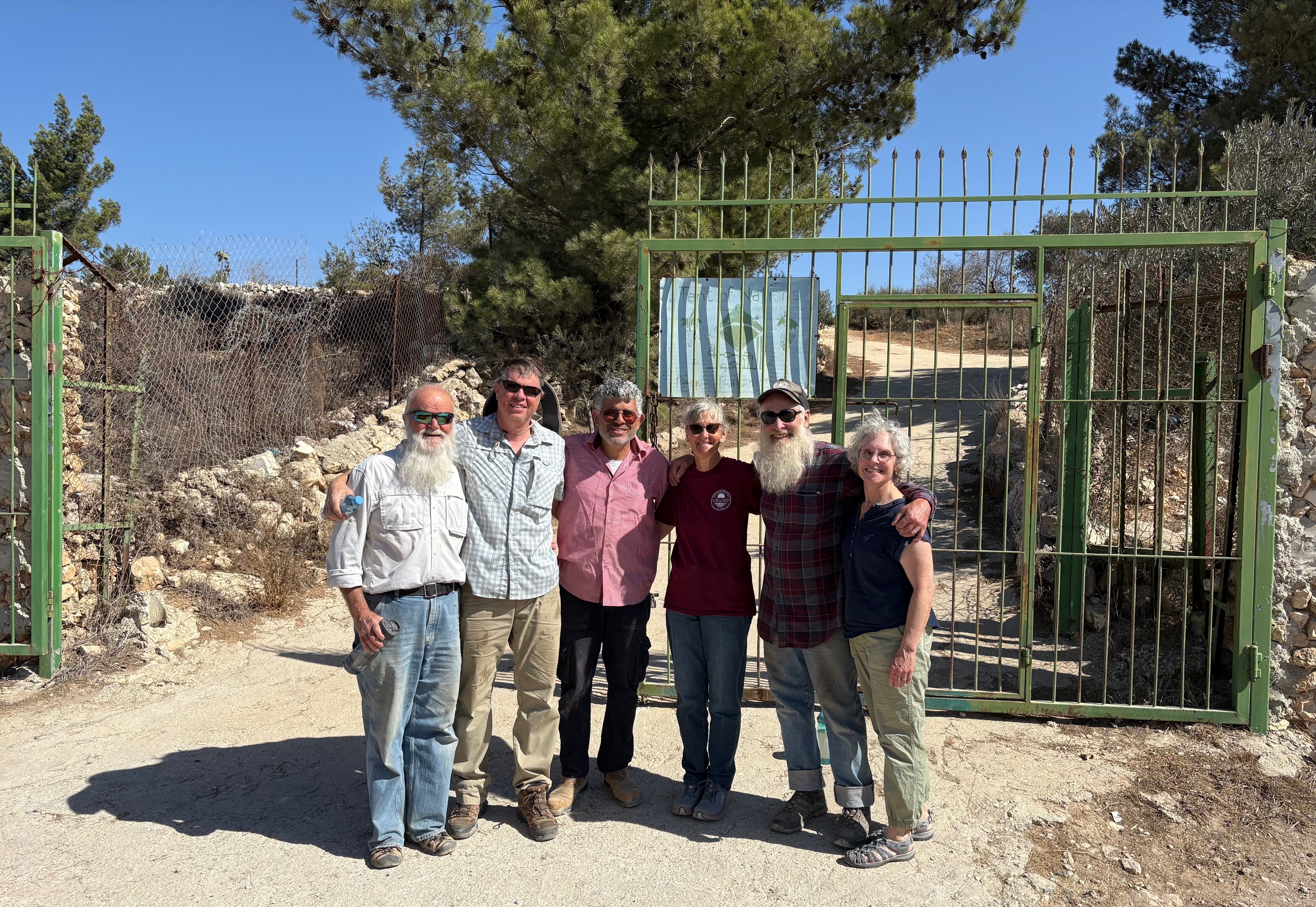
I am further encouraged to be patient by the words of a Palestinian farmer my wife and I have come to know through our Friends United Meeting “Living Letters” service-learning trips to the Ramallah Friends School. Daoud and his family farm 100 acres near Bethlehem in the Israeli-occupied West Bank, and patience is required not only in discerning when the right times for planting and harvesting are, but more importantly in discerning how to survive under withering political and economic conditions. A Lutheran, Daoud relates how his Christian faith gives him “long hope,” a Palestinian version of “patience.” Here are his words in a newsletter from March, 2026:
“In recent days, the developments in our region have once again reminded us how fragile daily life can be. However, we remain convinced that wars, hatred, and division must not have the final word. Our hope continues to be rooted in the belief that justice, peace and human dignity are stronger than fear and that life is stronger than death.
“We continue to do what we can to keep our hope alive, and to care for the land. Five volunteers are currently at the farm; their presence in this very challenging time brings energy, encouragement, and solidarity.
“We continue to pray and work for the day when our region can live in true justice, peace, and dignity. Until that day comes, we remain committed to doing whatever we can. Our work is rooted in the conviction that the land is a sacred gift entrusted to our care. Though circumstances around us may change, our calling remains the same, to bear witness to resilience, dignity, and compassion.
“We draw strength from prayer, from the solidarity of our friends, and from the deep hope planted within our hearts. This hope allows us to look forward to the future with trust, believing that even in the darkest moments, new life continues to grow.”
The conditions under which Daoud and his family live would test the patience of anyone, with most caving to the overwhelming burden. Although the family purchased their land and gained title to it many decades before the establishment of the modern state of Israel, the Israeli occupation authority refuses to re-register the family’s farm—even though it was registered through the various occupations of the Ottomans, the British, and the Jordanians. Israel occupied the West Bank in 1967, and since the late 1970s, Israel has been establishing settlements in most of that area, including four completely surrounding the farm. And the settlers want the family’s land.
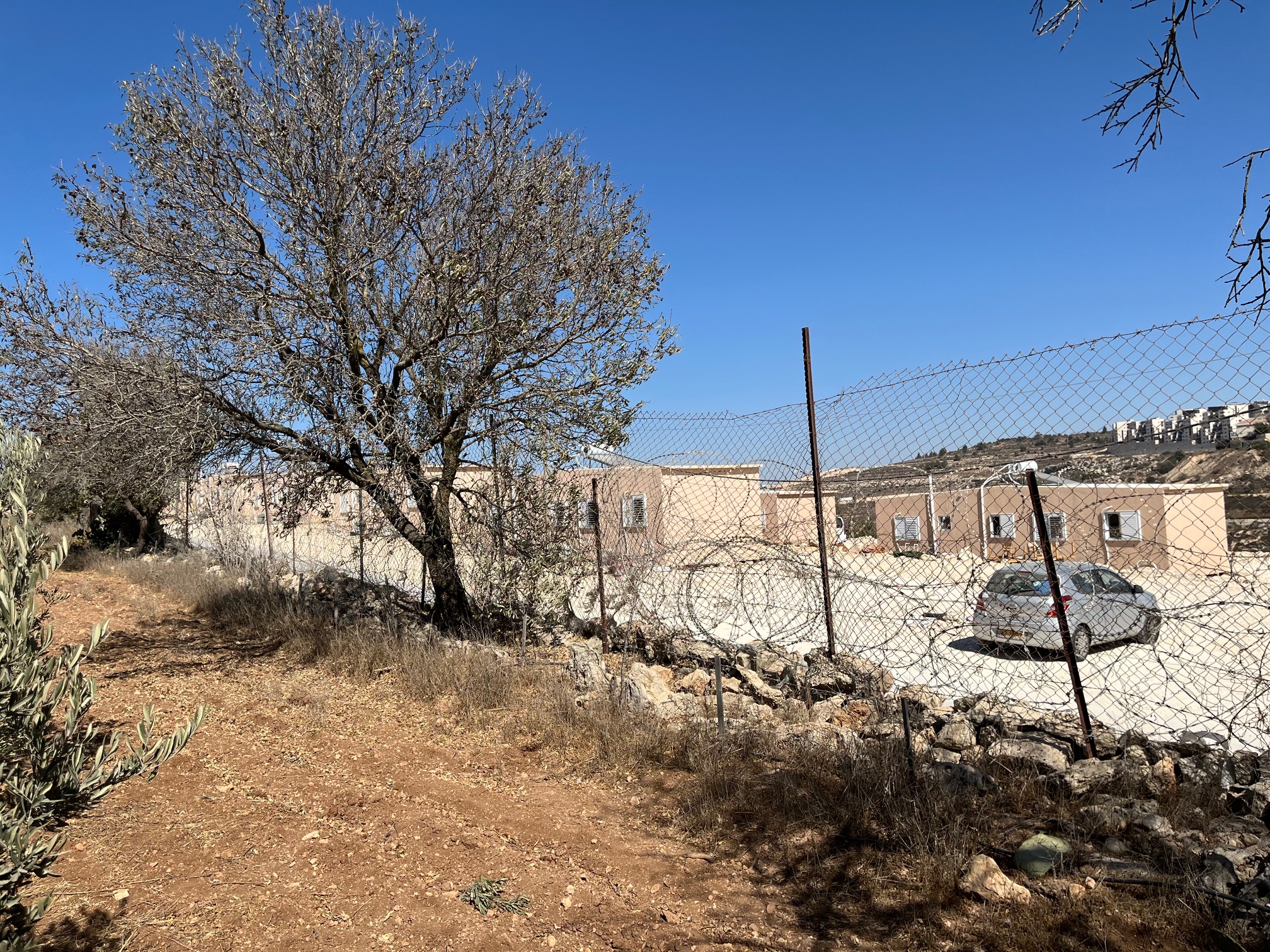
Israel has placed demolition orders on almost all structures above ground on the farm. All utilities to the 100 acres have been cut off. The road connecting the farm to the main highway into Bethlehem has been blocked. Since the early 2000s, 25,000 of their grape vines have been burned or uprooted. Thousands of their fruit trees have been cut or bulldozed. Settlers have tried to build roads through their property. Daoud and his brother have been physically attacked and hospitalized. Still the family persists, re-planting, cultivating, inviting others to “come see,” and praying. Daoud and his family retain “long hope,” a patience that would probably test the faith of Paul himself—or Job!
Our visits to the farm each year, on our “Living Letters” trips or to volunteer during the olive harvest, are inspirational and demonstrate what real Christian faith and patience look like. It probably won’t keep me from planting too early in North Carolina, but in the larger scheme of things, it helps me lean into “long hope” when I despair about the situation in the world.
Max L. Carter
New Garden Friends Meeting
Greensboro, NC