
Two fictional short stories introduce children to real‑life challenges and hopes:
These stories help children connect emotionally and spiritually with their peers in Kenya.
Two Bible stories are included to help children reflect on God’s heart for justice, courage, and compassion. Suggested passages:
Each story includes discussion questions and a simple prayer.
Children will get to taste a simple, child‑friendly recipe from northern Kenya—such as:
This hands‑on activity helps children experience culture through food.
A fun, active game and crafts inspired by Samburu and Turkana daily life.
Videos describing the culture of Turkana and Samburu.
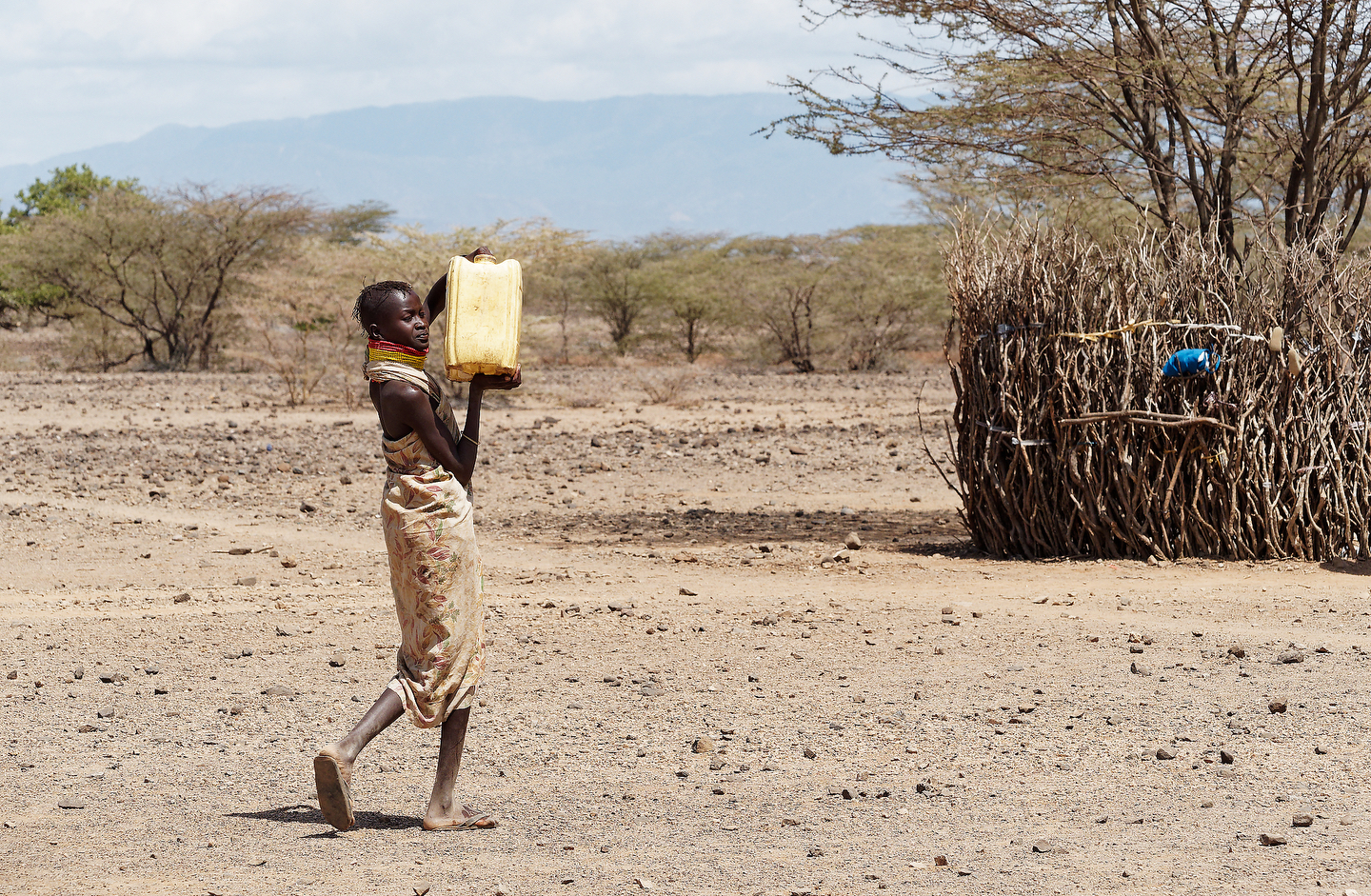
In some parts of Northern Kenya—places called Turkana and Samburu—life is very different from what many children in North America know.
Some girls there face big challenges as they grow up. In their communities, people have followed the same traditions for many, many years. Some of these traditions are beautiful, but some of them can hurt girls or make life harder for them.
Many girls are asked to get married when they are still very young. When this happens, they often must stop going to school. Some girls become mothers while they are still children themselves. As girls in other places are learning math, reading stories, and playing with friends, these girls are already carrying grown‑up responsibilities.
Girls also work very hard at home. They walk long distances to find water. They help take care of younger children. They cook and clean. Because of all this work, many girls do not get the chance to learn in school.
When girls cannot go to school, it becomes harder for them to change their lives or help their communities grow. Many girls in these areas never learn to read or write, even though the government says all children should have the right to go to school.
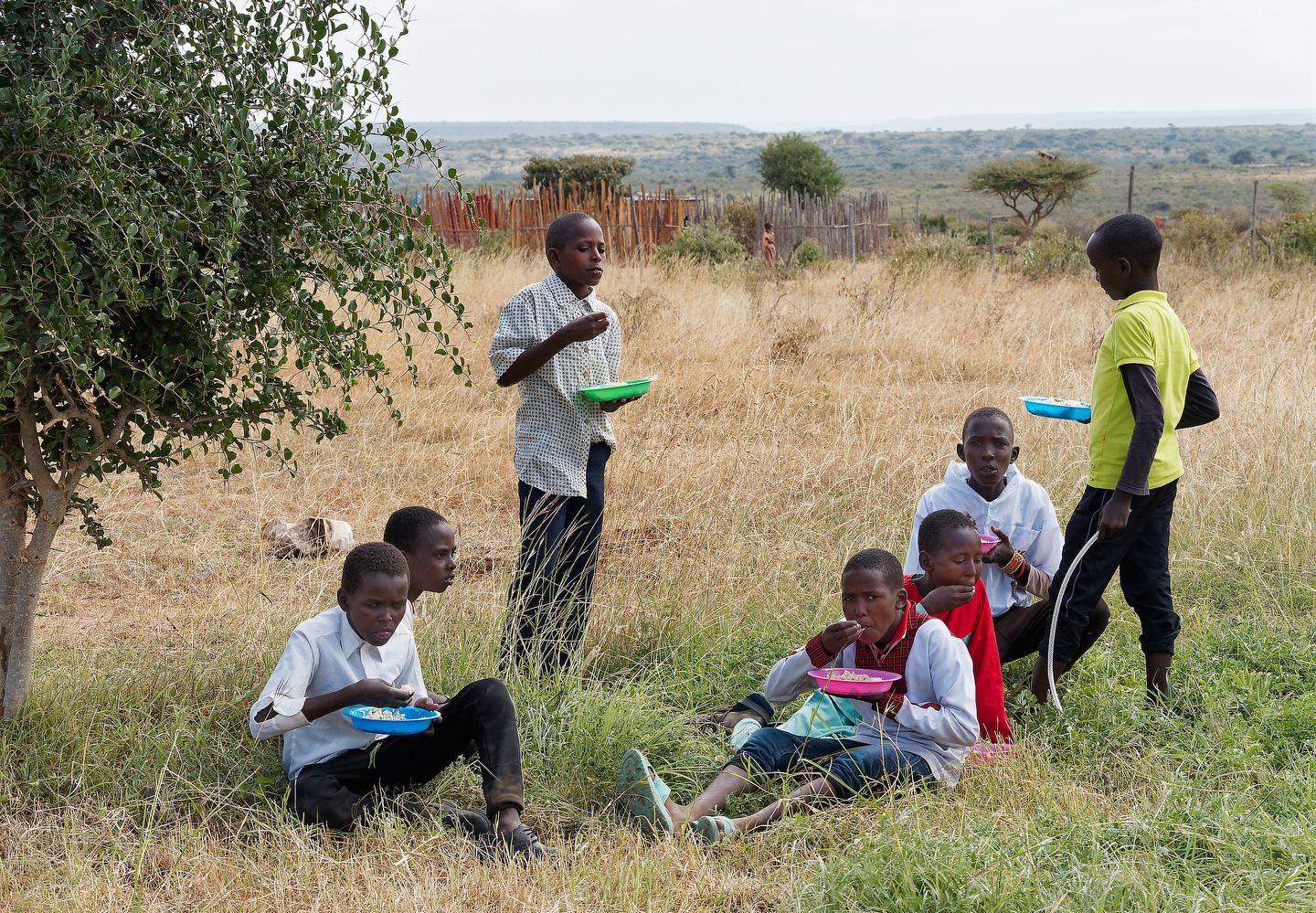
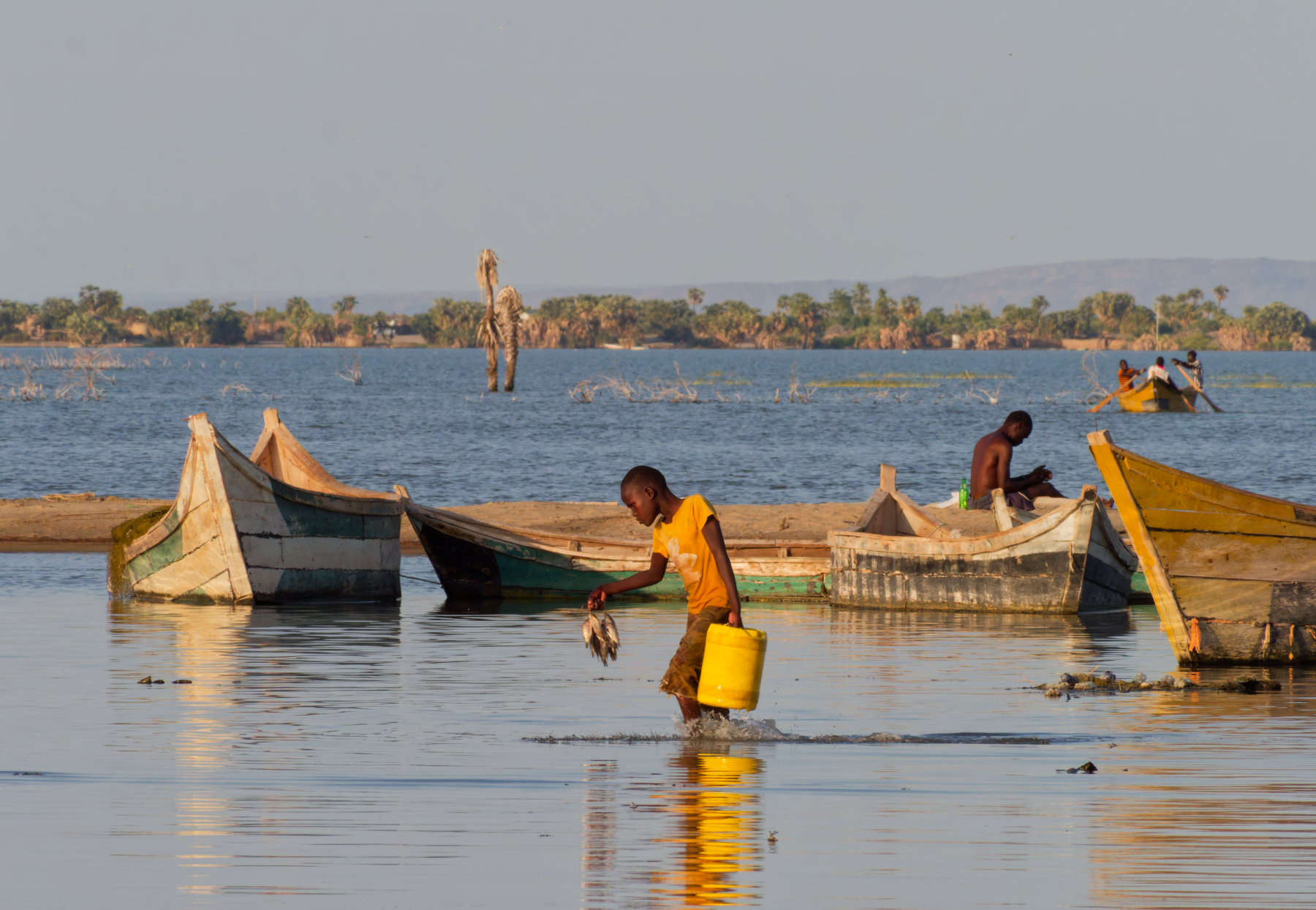
In the North Rift Region of Kenya, life can be very hard for many families. Some boys grow up in places where there is a lot of danger because groups of people fight over land, animals, and water. These fights have been happening for a long time, even before Kenya became an independent country.
Because of these problems, some boys do not get to go to school. Instead, they spend their days herding animals or trying to help their families survive. When boys are not in school, they can be more easily influenced by older boys or men who want them to join groups that use violence. These groups sometimes promise food, money, or protection, but they lead boys into unsafe and harmful situations.
Many things make life difficult in these areas:
Because of all this, boys between the ages of 12 and 25 are often the ones who are pulled into dangerous activities.
But here is the good news.
People all around the world have learned something very important: when children go to school, whole communities grow stronger. When girls have the chance to learn, they grow into women who can support their families, keep their children healthy, teach others, make peaceful choices, and bring hope to their villages. Education doesn’t just help one girl—it strengthens everyone around her.
When boys go to school, peace begins to grow. Education helps boys learn new skills, make friends from different communities, solve problems without fighting, dream about their futures, and build safer, stronger villages. When boys are given the chance to learn, they begin to imagine a different kind of life—one filled with hope instead of fear.
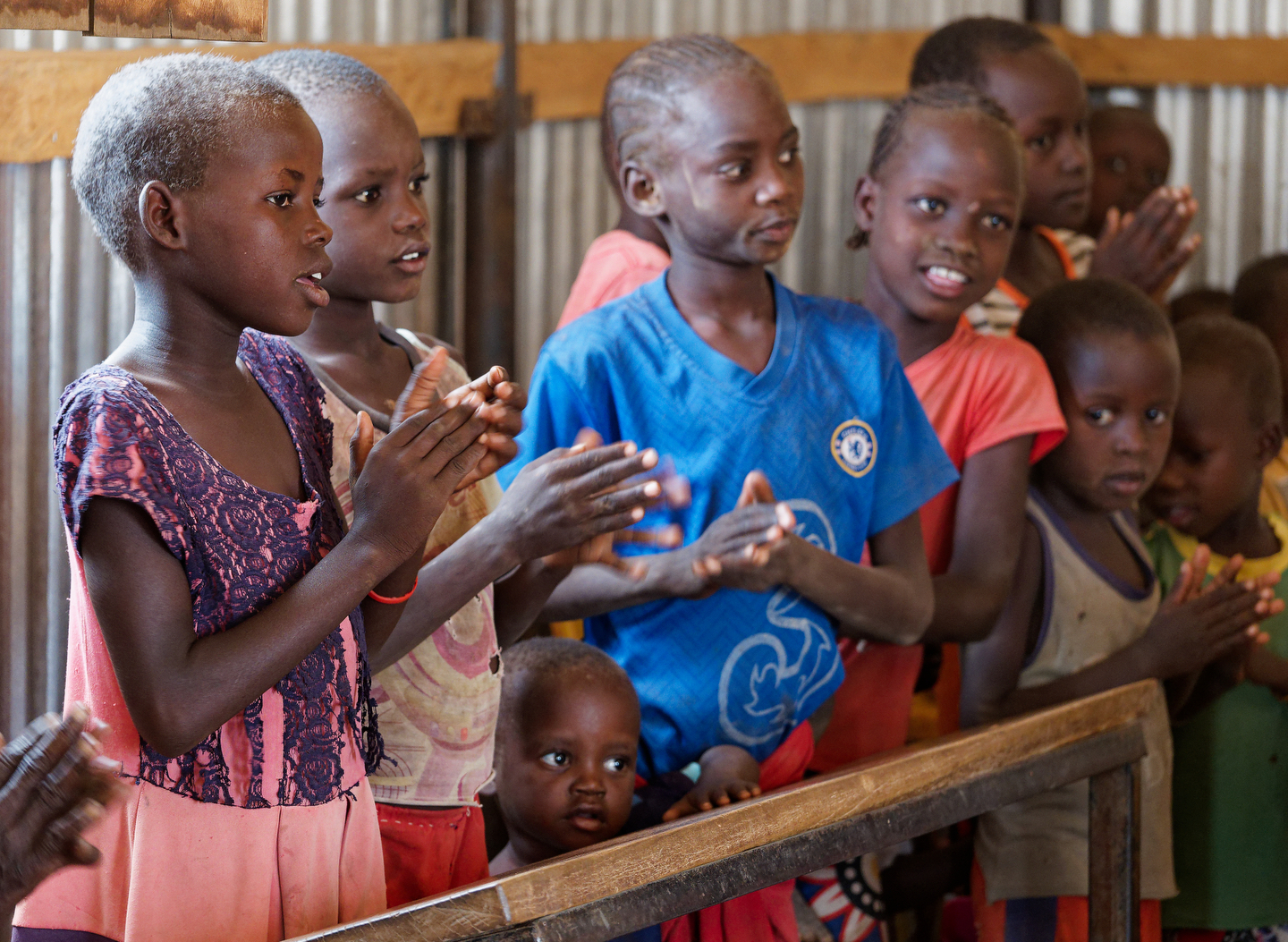
Friends United Meeting believes that Jesus cares deeply for every child, and that faith can help transform whole communities. This is why we support Girl‑Child Education and the Shepherd Boy Scholarship. These scholarships help children who live in places touched by conflict and hardship, giving them the opportunity to go to school, learn new skills, grow in faith, and become leaders who bring peace.
The scholarship program also provides children with school fees, uniforms, supplies, a safe place to learn, caring teachers and mentors, and lessons about peace, kindness, and following Jesus. Education helps young men learn practical job skills—carpentry, mechanics, farming, technology—so they can earn a living in safe ways, support their families, and choose paths that build rather than harm their communities.
We believe that every child—every girl and every boy—is precious to God. And we believe that learning, love, and peace can change the world. Education is like planting a seed. With time, it grows into peace, hope, and a brighter future.
Click these links to find illustrated versions of a story about a fictional Turkana girl and Samburu shepherd boy. (Coming soon.)
Consider telling these stories through the Godly Play or Faith & Play method.
God sees the heart, not the size. God can use children to do brave things.
David was the youngest boy in his family. While his older brothers did important things, David took care of the sheep. He learned to listen, to protect, and to trust God.One day, God told the prophet Samuel to choose a new king. Samuel looked at David’s big, strong brothers and thought, “Surely one of these must be the king.” But God said, “People look at the outside, but the Lord looks at the heart.”
So Samuel anointed David—the shepherd boy—to be the future king of Israel.
Later, David visited his brothers at the battlefield. A giant named Goliath was shouting mean things and scaring everyone. David said, “God helped me protect my sheep from lions and bears. God will help me now.”
With only a sling, a stone, and great faith, David defeated Goliath. Everyone learned that God can use even a child to do something amazing.
“The Lord looks at the heart.” — 1 Samuel 16:7
“Dear God, thank You for seeing our hearts. Help us be brave like David and trust You in everything we do. Amen.”
One hot day, Jesus was traveling through a place called Samaria. Most people avoided Samaria, but Jesus didn’t. He sat down by a well to rest.
A woman came to get water. She was surprised when Jesus spoke to her, because Jews and Samaritans usually didn’t talk to each other. But Jesus cared about her. He knew her story, her sadness, and her hopes.
Jesus told her about “living water”—the kind of life and love that only God can give. The woman was amazed. She ran back to her village and told everyone, “Come and see the man who knows everything about me!”
Because of her, many people came to meet Jesus.
She speaks with wisdom, and faithful instruction is on her tongue. —Proverbs 31:26
“Jesus, thank You for loving everyone. Help us welcome others the way You welcomed the woman at the well. Fill our hearts with Your living water. Amen.”
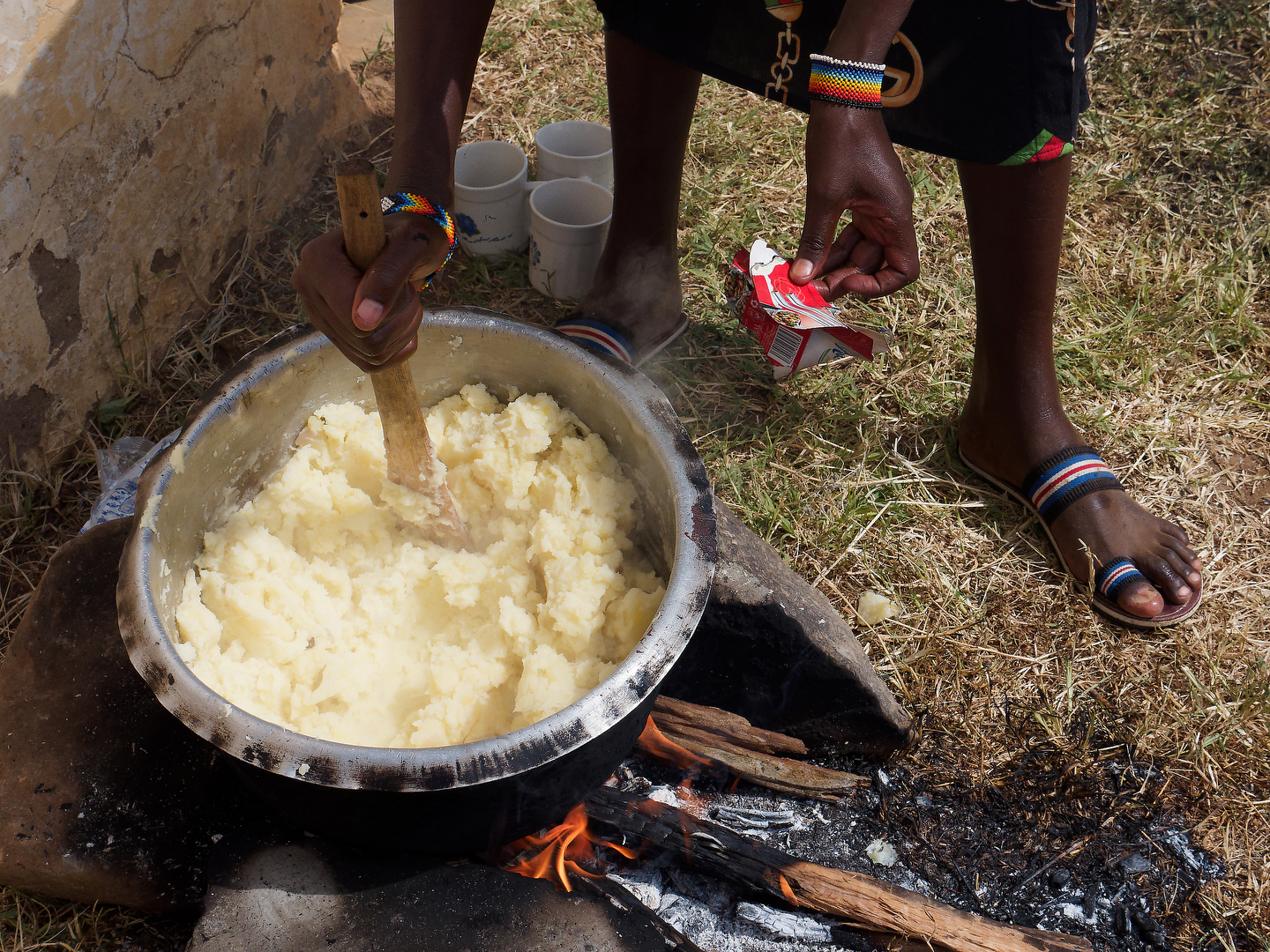
Children will get to taste a simple, child‑friendly recipe from northern Kenya—such as:
This hands‑on activity helps children experience culture through food.

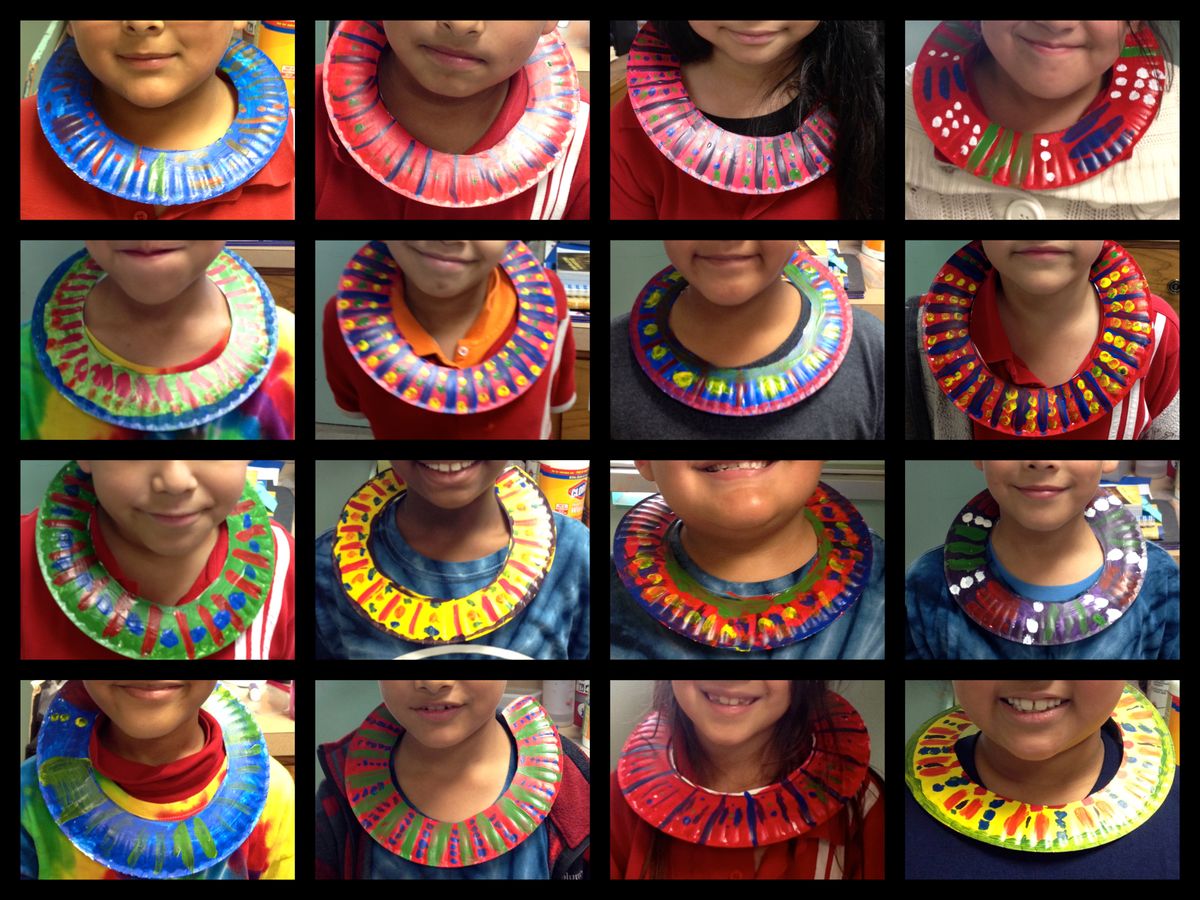
A fun, active game inspired by Samburu and Turkana daily life. Games help children understand the physical challenges their peers face while keeping the experience joyful and engaging.
Have children pretend to guide “sheep” (balls or stuffed animals) through a simple obstacle course. Talk about how shepherds must be patient and gentle.
Give each child a blue paper cup. Let them decorate it with markers, stickers, and the words, “Jesus gives living water.” Talk about how Jesus fills our hearts with love.
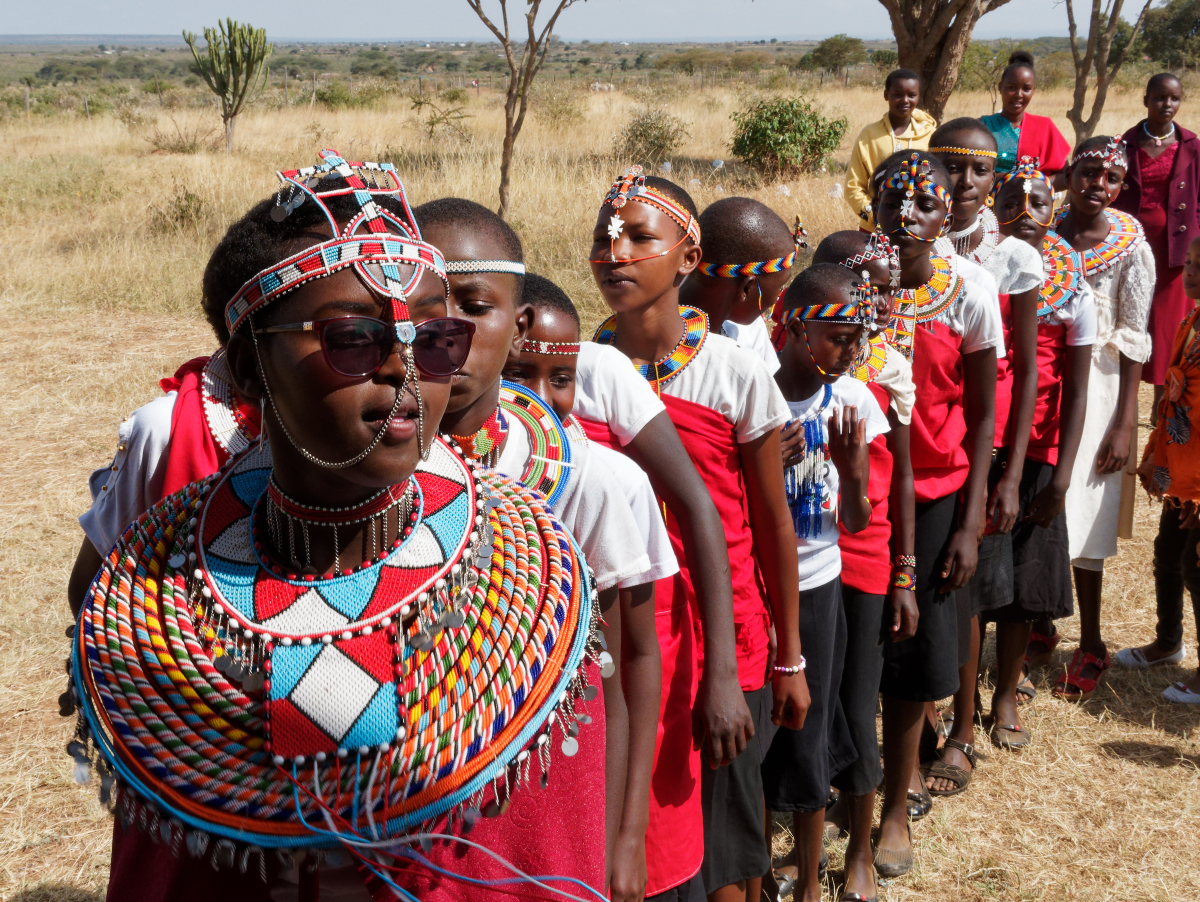
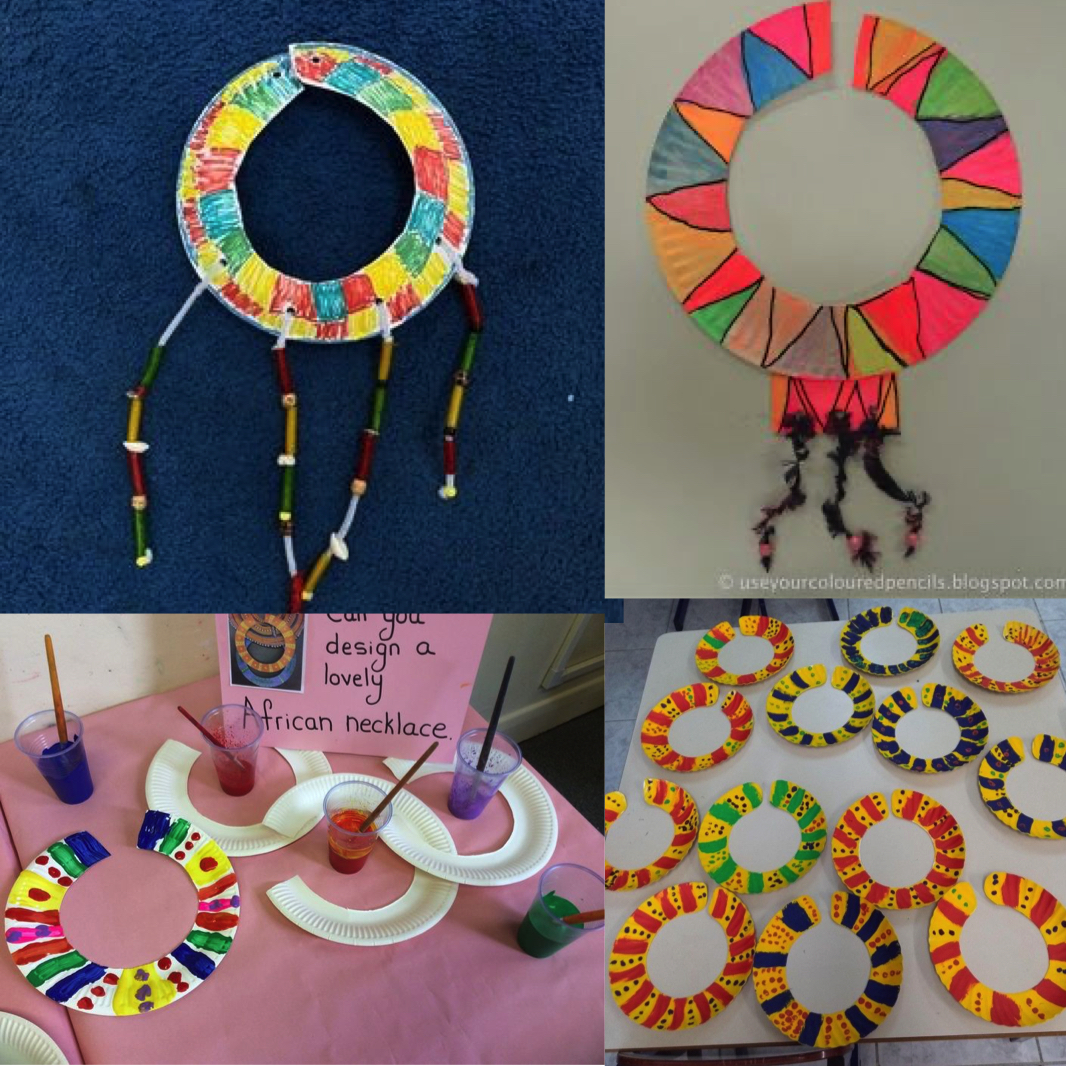
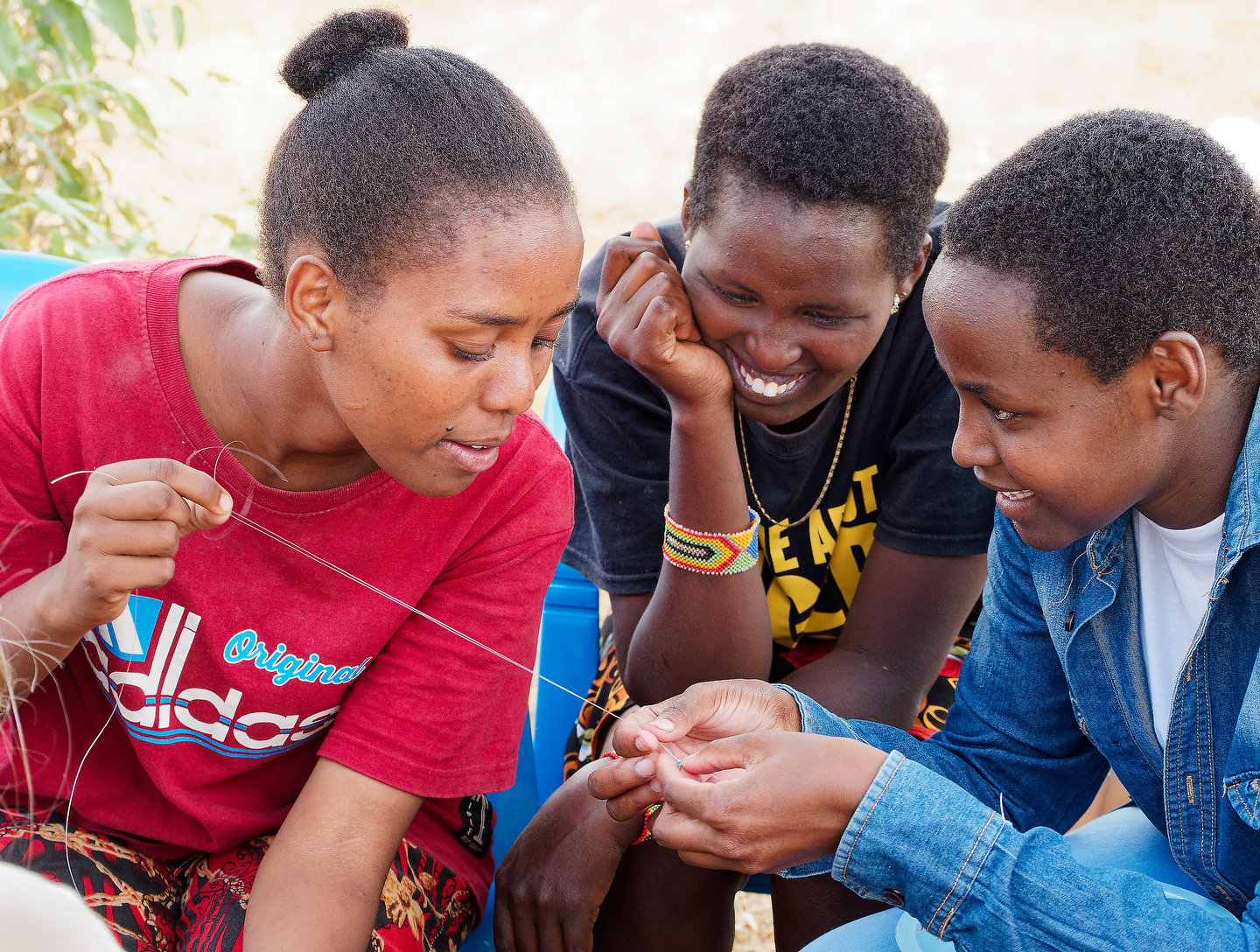
Samburu and Turkana beads are bright, beautiful beadwork worn by pastoralist communities in Northern Kenya. The beads are arranged in colorful layers on necklaces, collars, and bracelets, often forming circles that show identity, age, and community belonging. Beadwork is an important part of both Samburu and Turkana culture, used in celebrations, ceremonies, and daily life. The patterns tell stories about family, tradition, and the beauty of their communities.